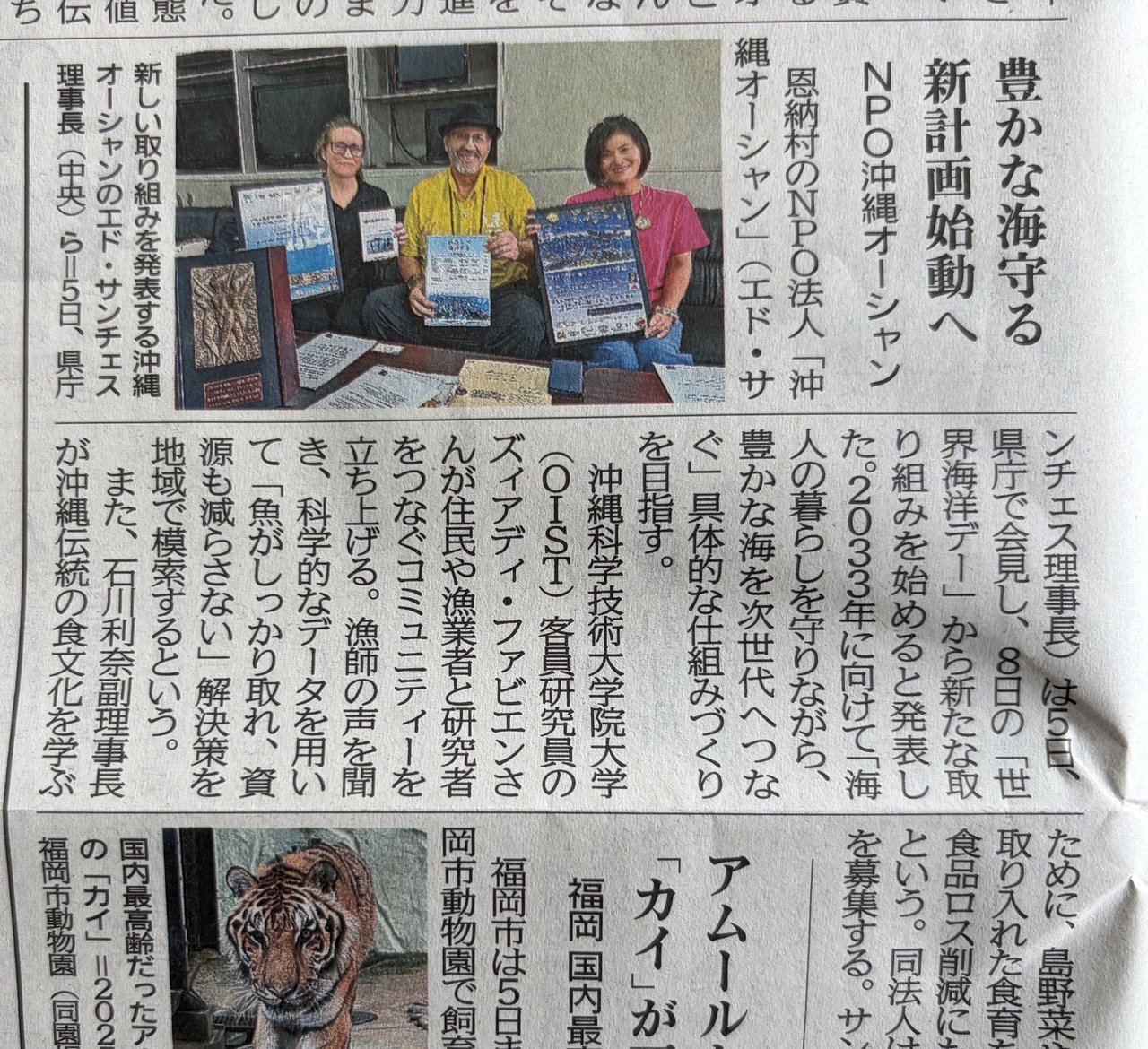
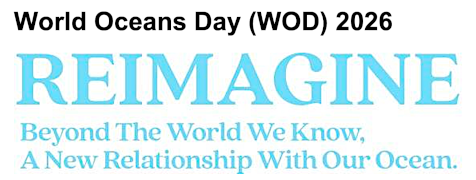
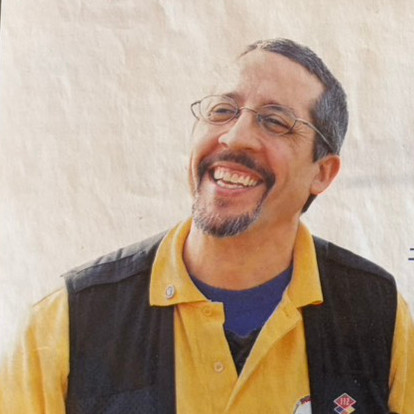
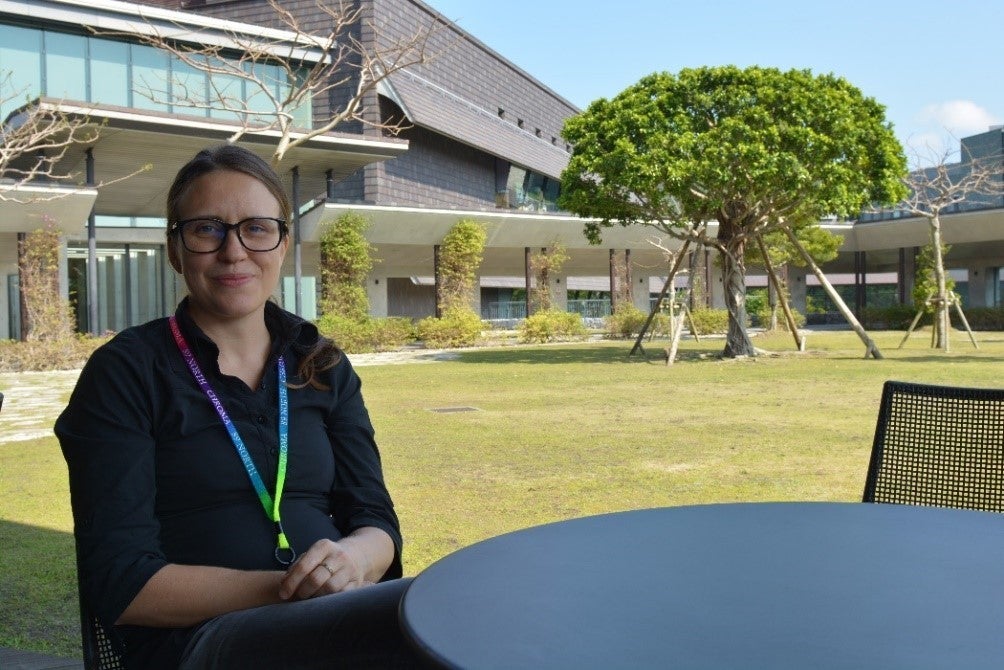
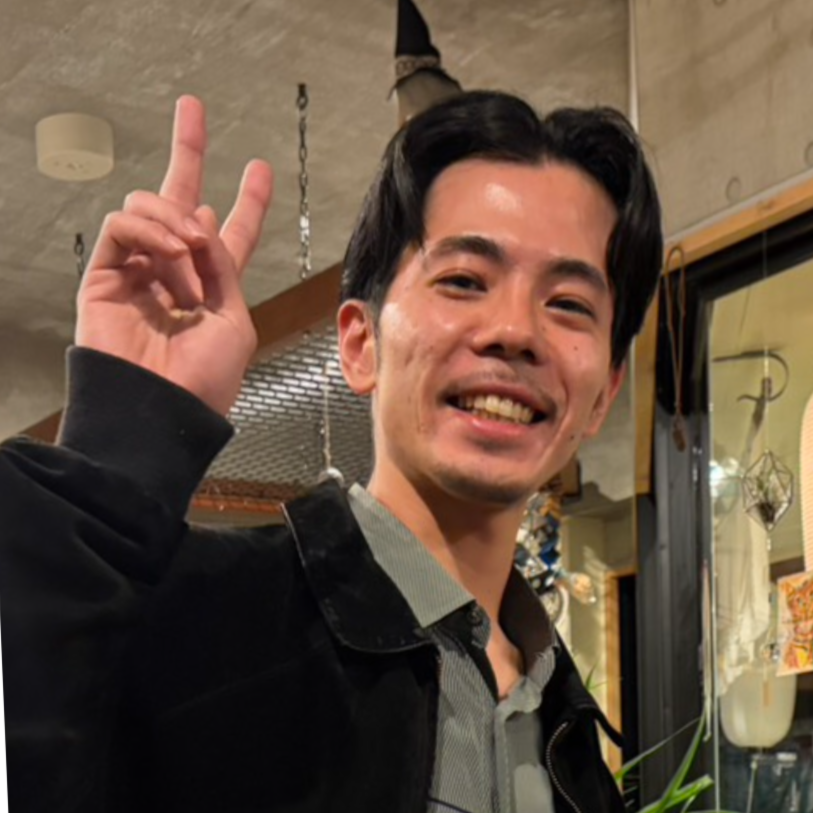
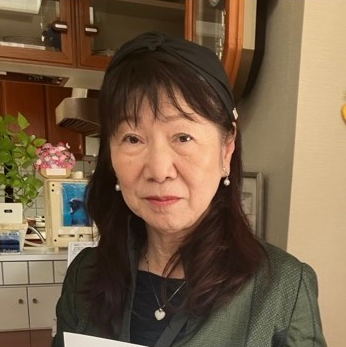
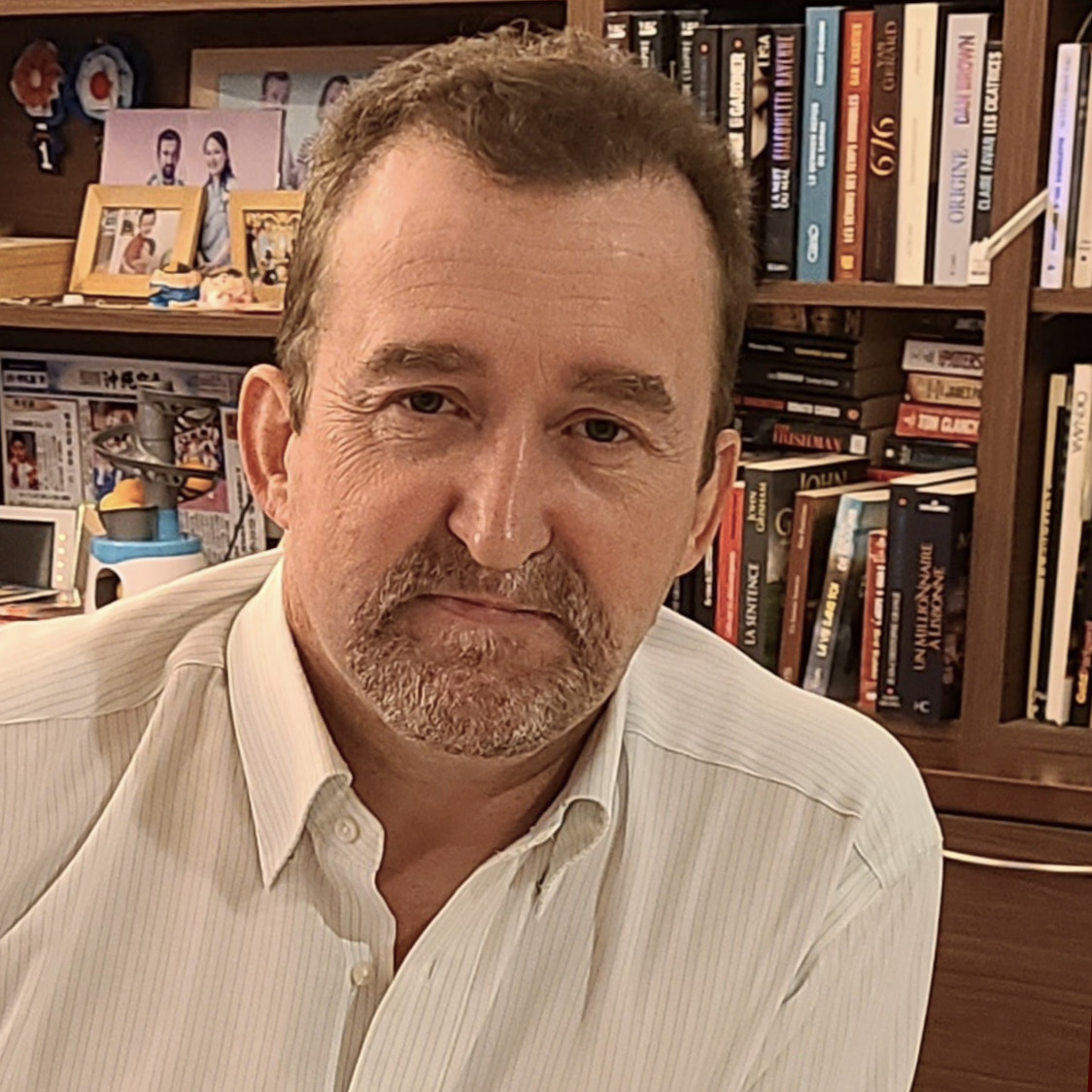
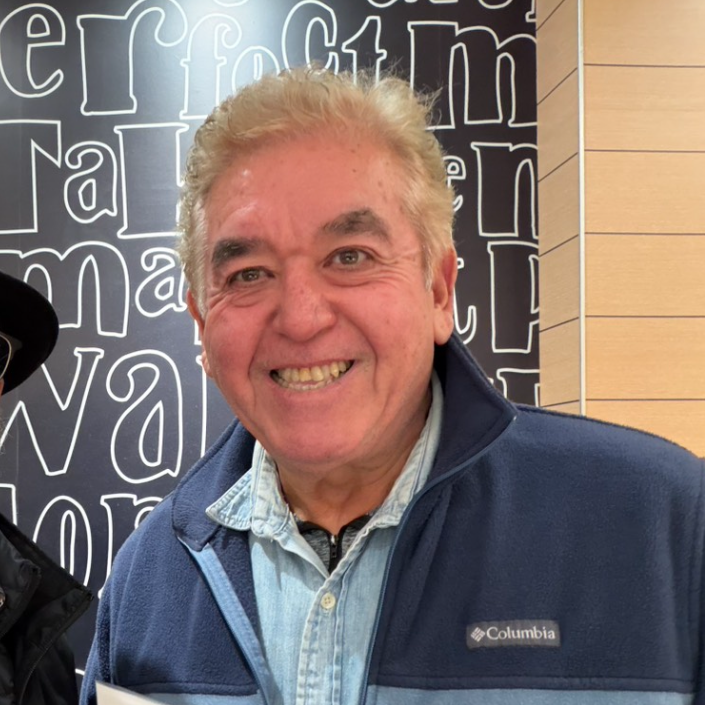
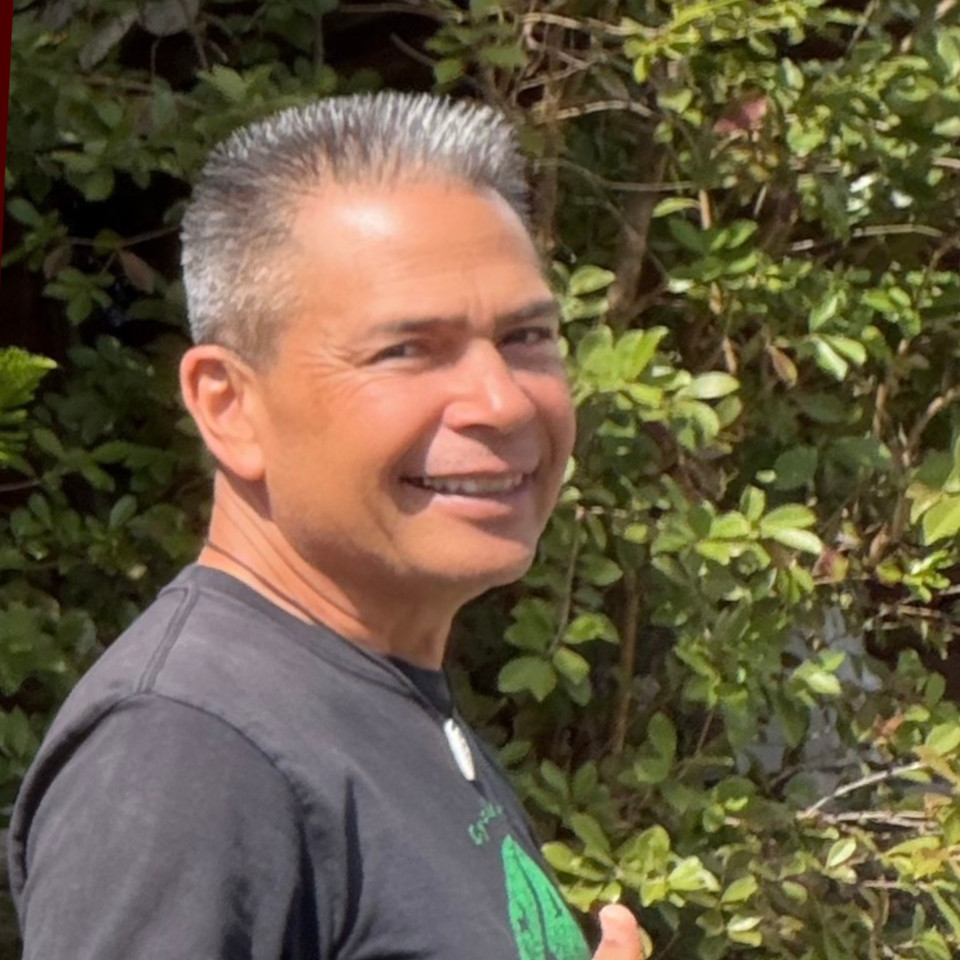
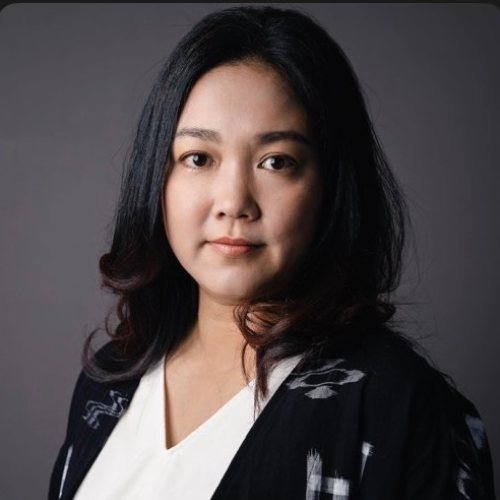
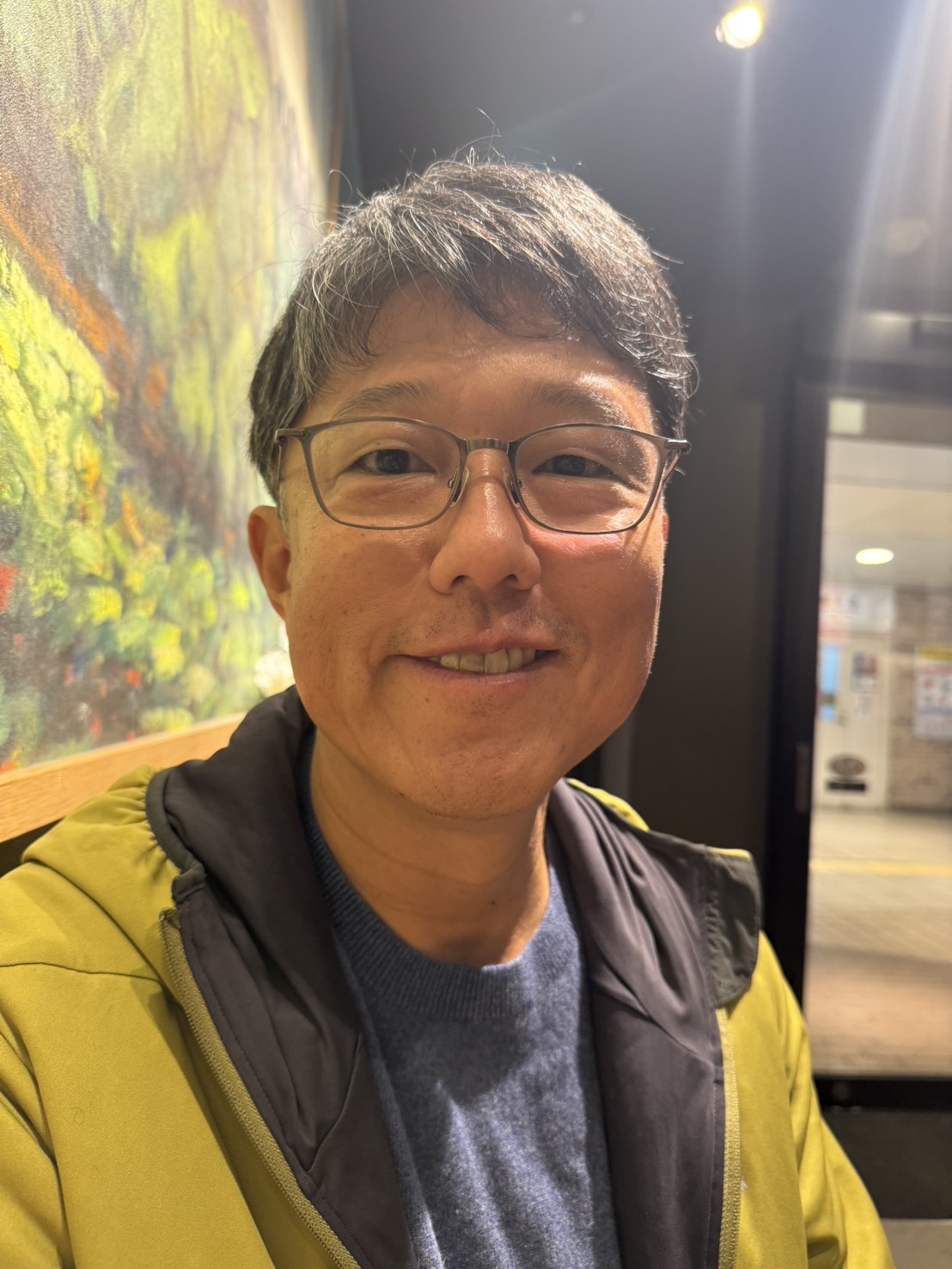
NPO法人 Okinawa O.C.E.A.N. Chairman Ed Sanchez announced new marine conservation initiatives at an Okinawa Prefecture press conference, launching on World Oceans Day (June 8) in partnership with OIST researcher Fabienne Ziadi-Künzli — connecting fishermen, scientists, and communities to protect Okinawa's seas for future generations.
Dedicated to the conservation of Okinawa's marine environment
In practice: Our mission is to conserve Okinawa's marine environment through education, direct action, and public awareness; cooperate with aligned organizations; and connect ocean protection with local food culture, food loss reduction, and youth welfare. The sea remains central to Okinawan identity. This page emphasizes legacy record and future direction—see Current work for ongoing program themes and Future directions for what we aim to explore next.
Official mission (NPO portal): To provide experiential educational programs, especially for young people, that use international exchange to learn about ocean culture and natural environments, thereby contributing to the cultivation of international leaders who understand healthy communities and societies.
In practice: We conserve Okinawa's marine environment through education, direct action, and public awareness; cooperate with organizations with similar goals; and connect ocean protection with local food culture, food loss reduction, and youth welfare. We believe the sea is central to Okinawan identity and heritage. This public page is focused on historical record and next-phase priorities.
What we have built (legacy record)
Marine conservation: Over many years the network ran the Junior O.C.E.A.N. Ranger Program (600+ students), the Okinawa International Clean Beach Club (45,000+ volunteers since 1992), the I Love Okinawa Campaign and Okinawa Cleanup Yuimaru (ICC-linked) cleanups from May 3 (“Gomi no Hi”) and third Sundays through November; reported marine debris data to JEAN and Ocean Conservancy; and operated the Okinawa Adopt-a-Beach/Reef portal. My Beach / My Reef engaged Beach Captains, Reef Captains, and Pasha Navi volunteers. Yacht races for roughly two decades deepened partnership with the 11th Regional Coast Guard and helped seed the Okinawa Clean Coast Network (OCCN). With FM Okinawa we expanded broadcast outreach and public environmental communication.
Food systems & youth: The Mermaid Mama Project and ZERO HUNGER Okinawa channeled surplus food into free bento for children and linked resort food loss with children’s cafeterias (子ども食堂) and SDG-oriented education—see program cards for context.
We are based in Onna Village (official address: Yamada, Kunigami-gun).
Timeline (latest first), including recent continuity and relaunch preparation from 2020–2026. Use the era filters to show only the period you want.
Today
Relaunch & new directions
We are preparing to relaunch with a focus on where to go next: food resilience, coastal pressure from tourism, marine life and science partnerships, culture and language, and youth or institutional education—not as a list of active deliveries on this site, but as exploration themes we can build with partners.
Source note
Our long-term message remains the same: not one-off cleanup, but durable behavior and culture change through education, media, and local ownership.
2026
General Assembly held; relaunch preparation underway
The organization held its March 24, 2026 General Assembly and is now preparing next-phase public programming and partnerships for the relaunch period.
2020–2025
Keeping the network active (2020–2025)
From 2020 to 2025, we maintained partner ties, preserved key history materials, and continued Mermaid Mama / ZERO HUNGER coordination while preparing the practical foundation for relaunch.
2014
Prefecture Assembly petition & UNESCO GAP commitment
March 2014: Team records include a formal petition to the Okinawa Prefecture Assembly titled the “Okinawa Asia-Pacific ESD HUB Initiative” (toward a sustainable 22nd century). It asked the assembly to back steps such as raising Okinawa’s inclusion in the Northwest Pacific Action Plan (NOWPAP) geographic scope with Japan’s Ministry of the Environment, endorsing the Earth Charter, and encouraging prefectural engagement with the UNESCO Associated Schools network. The document named ANA Cargo, the OIST-led R&D cluster task force, and other actors as examples of Okinawa’s hub potential—historical advocacy context from 2014, not an endorsement list for today.
31 October 2014: A UNESCO Global Action Programme (GAP) on Education for Sustainable Development launch commitment registration in team archives names Edoardo Heinrich-Sanchez as contact, prioritizes empowering youth, and frames activities for 2014–2020, including the Asia-Pacific ESD hub vision and related partnership lines (e.g. JFGE, APN) from that period.
Archive note
Slide decks and scans from the same era (LINE photo archive) align with this two-step story: assembly-facing petition, then UNESCO GAP registration.
More from 2007–2013
2008 onward: My Beach / My Reef and Pasha Navi volunteers scale up; ICC data submission continues.
2010–2012: Yacht races and Coast Guard partnership; groundwork for Okinawa Clean Coast Network (OCCN).
2012: Planning for UNEP/NOWPAP conference at OIST; Green Fins outreach begins.
2013
UNEP conference at OIST & Green Fins
NPO法人 沖縄O.C.E.A.N. leads the UNEP Northwest Pacific Action Plan (NOWPAP) conference at OIST—Okinawa/Ryukyu were outside the plan's official scope, but we became the local proponent. Two grants fund an NGO conference at Seaside House and an international conference on the main campus. We invite the Green Fins representative and propose Maida Point as a Green Fins test site; Green Fins has since been adopted by Onna Village.
OIST’s public event record describes the programme as the 2013 NOWPAP International Coastal Cleanup and Workshop on Marine Litter Management (24–26 October 2013): capacity-building for regional marine-litter management, promotion of International Coastal Cleanup in the NOWPAP region, and an International Coastal Cleanup on 26 October on Kuraha Beach, Onna Village (Yamada area), with workshop venues including B250 and Kuraha (Malibu) Beach. OIST listing: 2013 NOWPAP ICC & workshop · sponsor/contact on that page: Eduardo Heinrich-Sanchez (project leader), imagine2033esd@icloud.com.
The same “Blue October” period also includes the Okinawa NGO Asia-Pacific Environmental Forum on 23 October 2013 (Seaside House / OIST-linked venue in Onna), ahead of the NOWPAP workshop days; in the hall and on screen, materials featured “My Island : My Earth” themes with Naka Bokunen’s work. TEDxRyukyu followed in November 2013 at OIST in Onna (OIST news: TEDxRyukyu), extending the year’s public conversation on ideas and sustainability.
2007
Earth Charter
Okinawa O.C.E.A.N. formally endorses and joins the Earth Charter initiative, connecting local activities to this global ethical framework for sustainability.
2006
FM Okinawa collaboration expands outreach
Around 2006, collaboration with FM Okinawa helped document and amplify the movement ecosystem around beach cleanups and environmental education, including interviews with NPO法人 沖縄O.C.E.A.N. co-founders.
2006
My Beach / My Reef
The My Beach / My Reef Project (マイビーチ/マイリーフ) launches: Beach Captains and Reef Captains care for specific sites; Pasha Navi volunteers document beaches. Supports global marine-debris efforts and online coastal monitoring.
2004
National award & Discovery Channel
NPO法人 沖縄O.C.E.A.N. receives a major award from the national government (Ministry of Internal Affairs and Communications); delegation goes to Tokyo and meets Aso Taro. Collaboration with the Discovery Channel produces an episode on Eisa for Fantastic Festivals of the World (HD Theater); it goes on to receive an award from the Okinawa Convention & Visitors Bureau for sparking international interest in Okinawa tourism.
2003
Registered NPO
On 7 April 2003, Okinawa O.C.E.A.N. is certified as a Specified Nonprofit Corporation (特定非営利活動法人). We were the first NPO registered in Onna Village and participated in hearings to help shape the new NPO law.
More from 1998–2003
Late 1990s: Expansion of Ocean Culture and Environment Action Network activities across the island.
2000–2002: Preparations for NPO certification under the new law; hearings and documentation.
1998
My Ocean Charter (IYO)
We develop the Okinawa version of "My Ocean Charter" (私の海洋憲章) for the International Year of the Ocean. Endorsed by UNESCO's Intergovernmental Oceanographic Commission and the Japanese National Commission for UNESCO; realized as a woodblock print by artist Naka Bokunen. Over 10,000 volunteers sign the charter.
This My Ocean Charter (1998, International Year of the Ocean) is a separate initiative from the later “My Island : My Earth” Charter, which grew out of the 2006 PALM Pacific Islands Youth Meeting in Okinawa—often carrying the same Bokunen visual language—as a parallel thread on island-to-planetary stewardship.
1997
UN Earth Summit
Okinawa O.C.E.A.N. participates in the Earth Summit at UN Headquarters in New York as one of the representative organizations in the Asia Environmental Society, linking Okinawa to global island and environmental networks.
1995
Okinawa O.C.E.A.N. founded
Members of the Okinawa International Clean Beach Club formalize their efforts into the Ocean Culture & Environment Action Network to coordinate education, cleanups, and awareness.
More from 1992–1995
1993–94: Regular monthly cleanups and data collection; first links with schools and local government.
1994: Growing volunteer base; coordination with national coastal campaigns.
1992
Okinawa International Clean Beach Club
Volunteer beach cleanups begin. This community initiative would grow into one of the largest and longest-running marine conservation efforts in the Ryukyu Islands.
Exploration themes we want to develop after relaunch
🌾
Food systems & island resilience
To explore: How can Okinawa strengthen local food security (fisheries, mozuku, agriculture) while reducing waste and linking producers, schools, and households? What “Okinawa models” from past food-loss and youth-meal work are worth reviving or redesigning?
📊
Coasts, tourism pressure & marine debris
To explore: What monitoring and storytelling would make overtourism impacts (plastic, reef damage, carrying capacity) visible and actionable? How do we connect ICC-style data, municipal contacts, and volunteer networks without burning out communities?
🦈
Marine life, science & protected features
To explore: Where can citizen science, Important Shark and Ray Areas (ISRAs) / species work, and sea-turtle or habitat stories reinforce protection? How do we pair academic partners with local stewards and school programs?
🪷
Culture, language & ocean citizenship
To explore: How do Uchinaguchi, arts, and “island pride” narratives translate into durable behavior change—not one-off cleanups? What role for radio and intergenerational mentoring?
🎓
Youth, education & institutional partnerships
To explore: How should Junior Ranger–style experiential learning, school campaigns, and UN/IOC-style charters evolve post-2006? Where can we collaborate with FM Okinawa, municipalities, JEAN/Ocean Conservancy-style reporting, and research institutes (e.g. OIST) for credible, bilingual outreach?
🤝
Regional network collaboration
To explore: How can we strengthen knowledge exchange and practical collaboration with nearby universities, technical schools, and nonprofit conservation groups in Okinawa and across Asia? We aim to connect local action with academic and NGO networks (for example OIST, University of the Ryukyus, and regional partner organizations) to co-develop credible, community-linked projects.
The clips titled 「美ら海を子供たちに」 (Parts 1–2) are documentaries about Okinawa O.C.E.A.N. and the clean-beach movement—narrated coverage of campaigns, founders, education, and related milestones. They were produced around the 2004 recognition period (Ministry of Internal Affairs and Communications). The films sit in our public record next to the current work and awards sections.
The cards below summarize ongoing and long-standing program themes in NPO法人 Okinawa O.C.E.A.N.’s work—beach clubs, education, food-youth links, science partnerships, and related lines drawn from decades of field experience.
Marine fauna & shark conservation ▼
Shark and ray conservation framing, Important Shark and Ray Areas (ISRAs), sea turtle links, and citizen science.
The network supported shark and ray conservation in Okinawa, including work around Important Shark and Ray Areas (ISRAs), sea turtle protection, citizen science, and school outreach so that Okinawa’s marine life could be better understood and defended.
Okinawa is now home to seven officially recognized Important Shark and Ray Areas (ISRAs).
These sites were proposed by shark and ray researchers from Okinawa and accepted in January 2025 by the IUCN SSC Shark Specialist Group.
Current efforts, coordinated through the NPO, focus on expanding research (including tagging and environmental surveys) to better understand the spatial and temporal use of these areas. In parallel, we work closely with local communities, fisheries, and government partners to build shared knowledge and capacity, supporting informed and inclusive conservation planning in Okinawa.
ISRA reference map (regional context).
Team: Dr. Fabienne Ziadi-Künzli, marine volunteers.
Interested in this line of work? Contact us about collaboration.
Junior Ranger & beach cleanups ▼
Legacy marine education and coastal action: Junior O.C.E.A.N. Ranger Program, I Love Okinawa Campaign, Adopt-a-Beach/Reef, ICC-style reporting to JEAN and Ocean Conservancy.
Historically among the longest-running volunteer coastal programs in the Ryukyus: the Junior O.C.E.A.N. Ranger Program (600+ students over the years), the Okinawa International Clean Beach Club (45,000+ volunteers since 1992), and the I Love Okinawa / Cleanup Yuimaru beach cleanups from May 3 through November. Beach Captains and Reef Captains cared for named sites; debris data went to JEAN and Ocean Conservancy.
Team: Edo Heinrich-Sanchez, Fabienne Ziadi-Künzli, Tomokazu Gushikami, volunteers.
Interested in this line of work? Contact us about collaboration.
Pollution monitoring & over-tourism ▼
Marine plastic, beach litter, and reef pressure from tourism — data and public awareness.
Past work addressed marine plastic, beach litter, and coral damage linked to rapid tourism growth, combining cleanup culture with calls for better data and visitor behavior so that tourism and conservation could coexist.
Team: Edo Heinrich-Sanchez, OCCN partners, volunteers.
Interested in this line of work? Contact us about collaboration.
Culture & language preservation ▼
Ocean stewardship tied to Ryukyuan culture and language (Uchinaguchi), arts, and heritage.
Programs framed the sea as central to Okinawan identity: preserving traditions, knowledge, and language alongside environmental action — a holistic “island culture” pillar carried in events, media, and education partnerships.
Team: Urara Tanahara, culture advisors, community partners.
Interested in this line of work? Contact us about collaboration.
Mermaid Mama & ZERO HUNGER Okinawa ▼
Surplus food to free bento for children; linking resort food loss with children’s cafeterias and SDG education.
The Mermaid Mama Project channeled surplus food from hotels, farmers, and supermarkets into free weekly bento for children in need (for example ~60 meals on Fridays to study-support sites across municipalities). ZERO HUNGER Okinawa connected resort food loss with children’s cafeterias (子ども食堂) and SDG-oriented learning.
Interested in this line of work? Contact us about collaboration.
Food resilience for Okinawa ▼
Sustainable agriculture and fisheries; mozuku, coral-friendly practices, “Okinawa model” linking aquaculture and agriculture.
Advocacy and pilots supported sustainable agriculture and fisheries—from mozuku and coral-aware coastal use in Onna to an “Okinawa model” linking aquaculture and agriculture—aimed at greater food self-reliance and climate resilience.
Team: Directors, farm and fishery partners, volunteers.
Interested in this line of work? Contact us about collaboration.
How institutions relate to our work—grouped by grants and recognition, endorsement, and field partnership. Not every relationship is active today.
We are grateful for long-running collaboration across sectors. Funding procedures for new donations are being updated—please contact us to discuss support.
Grants, awards & programme hosts
Tamalpais Trust (Taz Trust) — Grant partner; profile.
Ministry of Internal Affairs and Communications — National recognition (2004 award; see Awards).
OIST — Host partner for the 2013 NOWPAP workshop & Kuraha Beach ICC (Yamada / Onna).
Okinawa Prefecture; Onna Village — Project & facility partners (e.g. Maeda Point, Green Fins groundwork).
au / Okinawa Cellular (KDDI) — Past promotional sponsor / visibility for island environmental outreach (e.g. retail and magazine tie-ins); treat as historical unless renewed; confirm before using marks.
Institutional endorsers & multilateral alignment
UNESCO IOC — Endorser (e.g. “My Ocean Charter,” 1998).
BluShark AI — Partner (organizational intelligence).
This overview is illustrative; a fuller funding and partnership history is available on request. NPO法人 沖縄O.C.E.A.N. is moving toward Nintei (tax-deductible) status to make corporate donations easier.
Sister initiatives spawned from our network
From among OICBC and NPO法人 沖縄O.C.E.A.N. founding members, multiple Okinawan environmental groups emerged; many still partner on coastal protection.
International recognition and institutional accolades
Click the image for a full-size view.
2004 — 総務省(Ministry of Internal Affairs and Communications) — National award; certificate scan from the organization archive (same recognition referenced in the Media archive documentary note).
UN Earth Summit (1997) — Participated at UN Headquarters in New York as one of the representative organizations in the Asia Environmental Society.
UNESCO endorsement (1998) — “My Ocean Charter” (Okinawa version) endorsed by UNESCO’s Intergovernmental Oceanographic Commission (IOC) and the Japanese National Commission for UNESCO.
Ministry award (2004) — Major national award (Ministry of Internal Affairs and Communications); delegation went to Tokyo and met Aso Taro (then vice minister). Key recognition for establishing trust and credibility. A two-part documentary about the NPO法人 (美ら海を子供たちに) was later published on YouTube; production is understood to have been tied to that award cycle—see Media archive.
Okinawa Convention & Visitors Bureau (2004) — Award for the Discovery Channel documentary on Eisa (Fantastic Festivals of the World, ep. 11, HD Theater), produced with NPO法人 沖縄O.C.E.A.N.; the programme helped spark international interest in tourism to Okinawa (15 million+ views in its first years).
Regional environmental beautification award — Used to strengthen Onna Village’s Maeda Point facility proposal to the northern budget office; the project was approved and NPO法人 沖縄O.C.E.A.N. had an office at Maeda for several years.
Earth Charter (2007) — Formal endorsement and affiliation with the Earth Charter initiative for sustainability and ecological integrity.
Merchandise
Support NPO法人 沖縄O.C.E.A.N. with every purchase
Merchandise updates and purchase links will be shared here as they become available.
NPO法人 directors, adjacent volunteers, and extended network.
Directors (NPO法人 board)
Edo Heinrich-Sanchez
Chair (理事長) · Chief Navigator
Leads the NPO法人 from Onna/Uruma. Resident-registration name: Edward Heinrich Sanchez (エドワードハインリックサンチェス). Long-standing organizer in marine conservation and international outreach.
Coordinates governance, legal paperwork with Okinawa Prefecture NPO Plaza and the Legal Affairs Bureau, and external partner meetings.
Focus includes transparent operations, Reiwa 8 relaunch planning, and legacy clean-beach and ocean-culture programs through local collaboration.
Projects: Overall strategy, I Love Okinawa Campaign, Adopt-a-Beach/Reef, transition & governance.
Dr. Fabienne Ziadi-Künzli
Director (理事) · OIST marine scientist
OIST marine scientist leading shark and ray conservation in Okinawa, including contributions to Important Shark and Ray Areas (ISRAs).
Dr. Ziadi-Kunzli supports NPO法人 沖縄O.C.E.A.N.'s marine science direction with emphasis on resilience, fisheries interfaces, and shark-related education and conservation.
She is preparing shark-focused project proposals and scientific communication for board discussion and voting.
Projects: Marine fauna research & monitoring, ISRAs, shark conservation, school outreach.
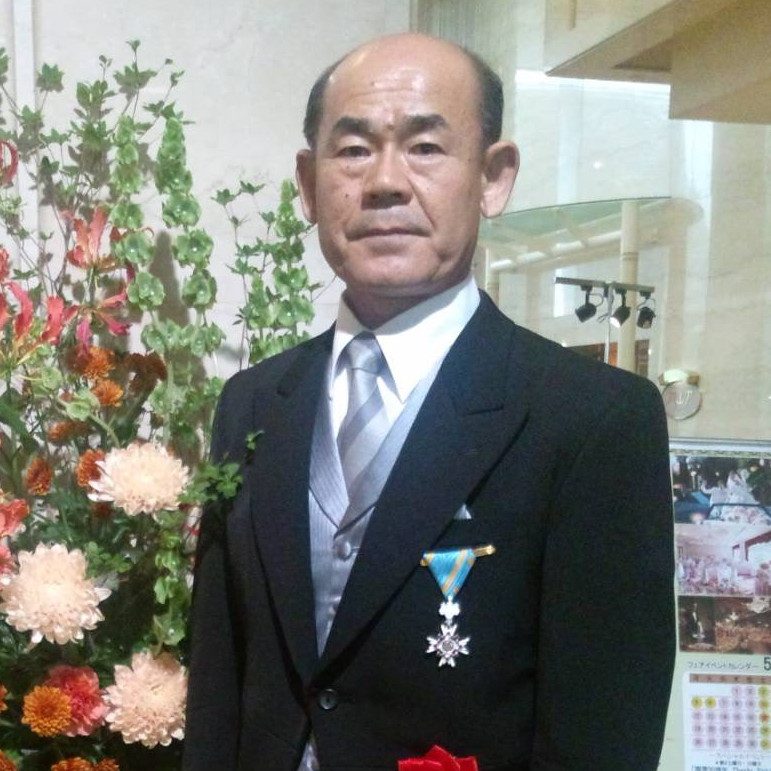
Kenji Ishikawa
Director (理事) · 2nd Vice Chair (第2副理事長)
Former JASDF Warrant Officer and long-time clean beach collaborator based in Uruma City.
Born in Niigata and now living in Ishikawa, Uruma, Kenji joined the Japan Air Self-Defense Force after high school, served until 2007, and finished as a Warrant Officer.
His service included radar operations in missile units and later staff leadership responsibilities. After retirement, he worked as a boiler technician at Onna Sub-Base until 2025.
He has completed 40 full marathons and has taught kendo to children at the police academy for around 30 years. He rejoined Edo Heinrich-Sanchez’s activities to support the current relaunch.
Projects: Board operations, community engagement, clean beach support.
Akiko Taminato (田港亜紀子)
Director (理事)
Director supporting community-facing activities and governance continuity.
Akiko is active in the navigator lineup and contributes to stable board operations after the March 2026 General Assembly.
She is associated with youth and community support streams discussed in the assembly agenda, including Mermaid Mama related reporting.
Projects: Community support, Mermaid Mama coordination support, board transition.
R
Rina Ishikawa
Director (理事) · 1st Vice Chair (第1副理事長)
Coordinates bento logistics and youth-food implementation; serves as 1st Vice Chair.
Rina supports meal ordering and practical event logistics across meetings and assemblies, including bento coordination for shared lunch blocks.
She is a key operator in Mermaid Mama and ZERO HUNGER linked workstreams that bridge food-loss reduction and support for children.
Projects: Mermaid Mama operations, event logistics, youth meal coordination.
Urara Tanahara (棚原うらら)
Programs · Artist (文化・芸術パートナー)
Artist and navigator known for the "Asobi" exhibition in Okinawa City, linking creativity with community engagement.
Urara was introduced through her "Asobi" exhibition, which the team has highlighted as culturally important in the age of AI.
Her contribution centers on cultural storytelling, arts-led public engagement, and strengthening the organization's culture-language pillar.
Projects: Culture & arts, “Asobi” / play and creativity.
Rumi Shoji
Director (理事)
Director supporting project development and collaboration building.
Rumi signed oath and residency paperwork and has contributed to partner introductions, including marina-connected collaboration proposals.
She is linked to sea turtle-related programming and external project connection efforts in upcoming planning cycles.
Karate researcher, author, editor, and multilingual cultural bridge based in Okinawa since 1993.
Born in France and based in Naha, Miguel has spent over three decades promoting Okinawan karate research, documentation, and international exchange.
He founded the Okinawa Traditional Karate Liaison Bureau, co-managed the Okinawa Karate Information Center, and since 2017 contributes as columnist to the Okinawa Times newspaper. He also founded/edited Okinawa Karate News and the multilingual magazine THE OKINAWAN.
Fluent in French, English, Japanese, and Spanish, he supports international coordination, translation, and institutional communication as Secretary-General.
Projects: Secretariat planning, intercultural communications, profile and documentation support.
Steve Nakamura
Auditor (監事)
Auditor (remote participation). Born and raised in Okinawa; focused on accountability and practical support.
The auditor role does not carry board voting rights. Steve offers local perspective and oversight as operations restabilize.
Projects: Audit, oversight.
Adjacent volunteers
Andrew Bruhacs
AI Navigator · Advisor
AI advisor supporting website architecture, digital flow, and content systems.
Andrew is leading web and AI-related implementation for the organization, including website structure, profile integration, and project communication.
He also participates in OIST-linked AI discussions around Uchinaguchi data applications and bridge-building between research and local initiatives.
Projects: Website relaunch, digital & content.
E
Eisaku “Eibo” Tawata
Co-founder · Special Advisor
Long-term co-founder and special advisor supporting continuity and institutional memory.
Eisaku "Eibo" Tawata remains a key continuity figure in the organization, advising the current relaunch team and preserving the historical thread from earlier NPO法人 沖縄O.C.E.A.N. phases.
Co-founder and special advisor; co-operator of AkaChichi Guest House in Maeda, Onna.
Kenny joined the special advisor lineup alongside Eibo. He contributes strategic support and community partnership potential through hospitality and local network ties.
Projects: Strategic advising, hospitality partnerships, community collaboration.
Shinako Oyakawa
Special Advisor · Ryukyuan Language & Culture
Special Advisor for Ryukyuan Language and Culture; educator, researcher, and public commentator.
Shinako Oyakawa (born 1981, Okinawa City) is a part-time lecturer at Okinawa University, Representative Director of Mattaraa, founder of Office Weegaa, and co-chair within ACSILs.
Her work focuses on Indigenous language revitalization, decolonization, and demilitarization, helping ground NPO法人 沖縄O.C.E.A.N. activities in local cultural and linguistic context.
Projects: Ryukyuan language and culture advisory, education content.
Shingo Miyake
Advisor (remote)
Remote advisor in Trinidad & Tobago; contributes translation and governance-document support (including by-laws), with a UN/ILO labour-policy background.
Shingo currently lives in Trinidad and Tobago and works with the United Nations system through the International Labour Organization (ILO), supporting Caribbean countries in improving labour and employment legislation.
He has previously lived in Switzerland (Geneva), the Philippines, and Indonesia.
His contributions include translation support and review of governance documents such as by-laws and related constitutional text. He plans to continue assisting in ways that are useful from overseas.
Projects: Remote advisory, translation, by-law and governance-document support.
T
Tomokazu Gushikami (具志頭智一)
Transition Coordinator · President, Naha Clean Beach Club
Transition Coordinator and President of Naha Clean Beach Club, active in coastal cleanups since 1999.
Gushikami became involved through Okinawa International Clean Beach Club in the 1990s and established NCBC for volunteers in Naha and southern Okinawa.
He has served as a key transition liaison—working with municipalities and the prefecture, coordinating careful handover of legal records, and keeping continuity clear through the relaunch.
Projects: Transition, Naha cleanups, OCCN coordination.
K
Katsumi Yamashiro (山城勝美)
Transition Arbiter · CEO Iejima-Kanko.com
Transition arbiter who supported organizational continuity and governance stabilization.
Katsumi helped steady the organization through a difficult leadership transition and remains a trusted advisor for orderly change and sound governance.
Projects: Governance, transition arbitration.
Alumni & extended network
R
Remi Ie (伊江玲美)
Alumni · legacy programs era
Associated with the Mermaid Mama and ZERO HUNGER Okinawa legacy programs during an earlier phase of the NPO.
Remi Ie's tenure included food-culture and social-innovation framing, including Mermaid Mama, ZERO HUNGER Okinawa, and SDG-oriented youth initiatives.
Background references include Stanford US-Asia Management Center visiting researcher status, graduate study in Italy at the University of Gastronomic Sciences, and Slow Food International Asia-office leadership roles.
Legacy: Food resilience, youth programs, Mermaid Mama & ZERO HUNGER Okinawa.
Our legacy programs have mapped onto SDG 14 (Life Below Water) through marine conservation and cleanups; SDG 4 (Quality Education) via the Junior Ranger Program, school outreach, and youth events; SDG 17 (Partnerships) through JEAN, Ocean Conservancy, UNESCO, and local and international partners. SDG 1 (No Poverty) and SDG 12 (Responsible Consumption) were advanced by the Mermaid Mama Project and ZERO HUNGER Okinawa, which channeled food loss into meals and food education. Coastal and community work also supported SDG 11 and 13. Future delivery will be rebuilt around the exploration themes.
Okinawa O.C.E.A.N. supports the Sustainable Development Goals. SDG icons: United Nations. Disclaimer: Use of the official UN SDG icons here does not imply endorsement by the United Nations.